Why 2026 gift packaging starts selling before the comb does
A comb can take a documented sequence of production steps to make, but a buyer on a shelf, at a trade show or in an unboxing video forms an opinion of your brand in the first few seconds — and most of those seconds are spent looking at the box. For B2B buyers ordering gift sets, amenity kits or corporate merchandise, packaging is not decoration: it is the salesperson that travels with every unit. It decides whether a hotel guest keeps your comb in their luggage, whether a retailer photographs it for their catalogue, and whether an ESG-conscious buyer approves the order at all.
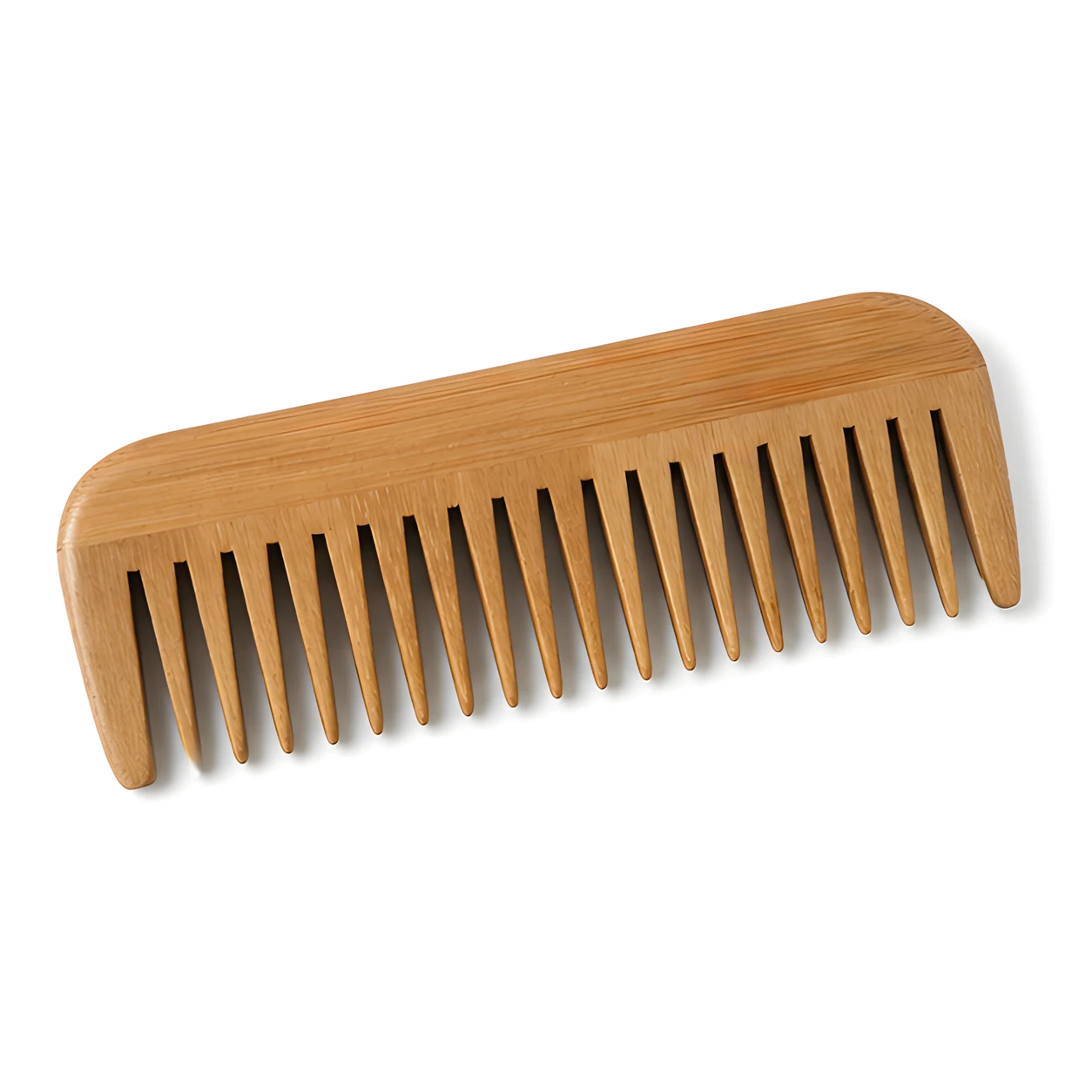
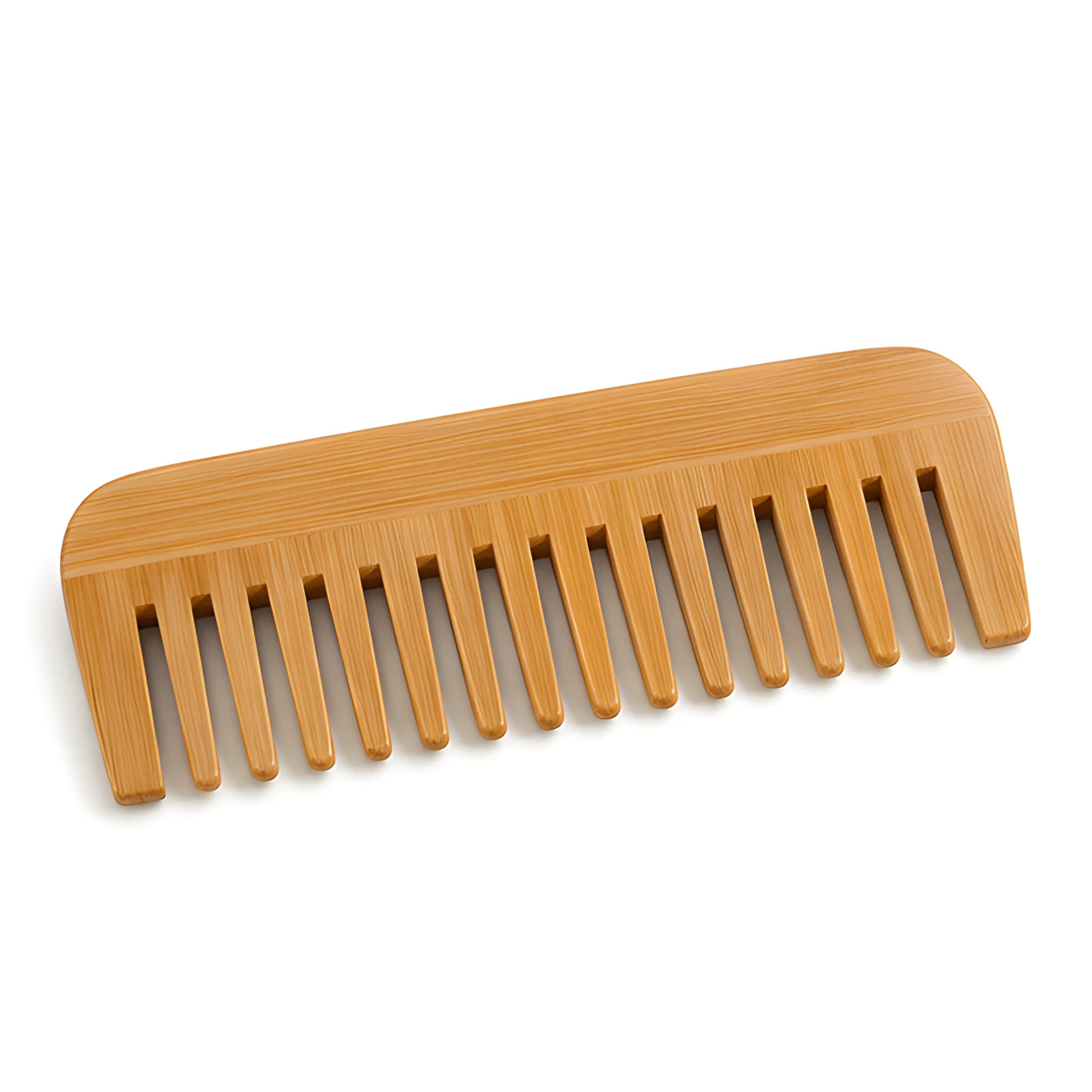
At VANTRE, a bamboo and wood comb factory in Langqiao, China, packaging has grown from a shipping necessity into a design discipline. Our gift set series covers hundreds of existing styles across bamboo, wood, cushion, travel and hotel lines, produced in a 12,000 m² factory by 50+ employees with an annual capacity of 5,000,000 combs. Our boxes reach customers worldwide every year. This article walks B2B buyers through the structures, materials and planning steps that define the 2026 gifting season — and how to bring them into your MOQ, sampling and lead-time reality.
Three signals reshaping gifting in 2026
Three signals stand out for buyers planning the 2026 season. First, unboxing content on social platforms continues to grow, so packaging must photograph well from every angle. Second, sustainability claims are being audited: retailers now check material certificates such as FSC chain-of-custody, and single-material packaging that is easy to recycle outperforms multi-layer laminations. Third, cost discipline matters more than ever, so buyers split their ranges: one premium structure for flagship gifts and one economic structure for volume. VANTRE's packaging team mirrors this split by quoting both rigid and kraft options side by side on every inquiry.
- Will the box appear in unboxing videos, store shelves or both?
- Does the recipient keep the packaging, like a drawer box, or discard it?
- Which documentation do your retail customers require — responsible sourcing, quality management or social responsibility records?
- Is this a one-off corporate campaign or a repeat seasonal order?
- What is your realistic order volume: 1,000 pieces or 5,000 pieces?
Step 1: Assess your scenario before picking a structure
Before choosing a box, answer three questions. Product tier: a premium bamboo gift set justifies a magnetic rigid box, while a promotional pocket comb needs a kraft sleeve that costs little to produce and less to freight. Recipient: hotel amenities are taken home by guests, so a reusable drawer box extends your brand into thousands of bathrooms; corporate gifts travel in luggage, so weight and durability matter. Channel: retailers with ESG programs require recyclable structures and certified paper, while trade-show giveaways prioritise speed and unit cost. Write these answers down — every structure option below maps to a specific combination of them.
| Structure | Best for | Why it wins | Planning tip |
|---|---|---|---|
| Magnetic rigid box | Premium bamboo and wood gift sets | Unboxing theatre, product protection, high perceived value | Add foam or paper inserts; budget USD 50–100 for custom samples |
| Drawer box | Hotel amenities, keepsake retail gifts | Reusable, stays in the home or hotel room after opening | Plan 25–45 days production plus 30–35 days sea freight to the EU |
| Kraft sleeve and paper bag | Promotional combs, volume price points | Low cost, easily recyclable, responsibly sourced options | Start with existing styles at 1,000 pieces MOQ |
| Hangtags and inserts | First orders, low budgets, entry branding | Lowest MOQ, quickest turnaround for brand identity | Combine with laser engraving on the comb itself |
Kraft sleeves and paper bags: the everyday price-point workhorse
Why it works: kraft is the default answer for volume programmes because it is cheap, light and unarguably recyclable. A comb in a printed kraft sleeve ships flat, freights cheaply and passes the sustainability check that glossy plastic lamination increasingly fails. For hotel bulk programmes and promotional orders, this is the structure that keeps unit costs low while still carrying your logo. When combined with a responsibly sourced paper source, the same sleeve becomes a certificate-friendly packaging story for retailers who audit materials.
Tips for buying: use recycled kraft with a natural fibre look for everyday lines, and reserve one-colour water-based ink prints for the cleanest result. Because sleeves and bags are simple structures, they tolerate faster turnarounds: existing-style orders at a 1,000-piece MOQ keep production inside the standard 25–45 day window even when the rest of your range is customised. Ask VANTRE to quote kraft and rigid options on the same line so you can compare landed cost per unit before you commit.
Drawer boxes: keepsake value that outlives the gift
Why it works: a drawer box is the gift that gives twice. The comb is the first gift; the box, with its sliding mechanism and storage value, is the second. Hotel guests take them home, retail customers repurpose them for jewellery or small accessories, and the brand stays visible for months after purchase. For 2026, the drawer box is the strongest mid-range structure for both hotel amenity programmes and retail gift sets, because it justifies a higher price point without the cost of a full rigid construction.
Tips for buying: specify a finger-hole or ribbon pull on the drawer face, add a magnetic closure for a premium feel, and print care instructions plus a QR code on the inner tray. Match the drawer footprint to your comb dimensions to avoid foam waste. VANTRE's design team prepares 2–3 structure options with mockups for every packaging inquiry, so you can compare a drawer box against a magnetic rigid box on the same budget before sampling.

Magnetic rigid boxes: the premium unboxing theatre
Why it works: nothing communicates premium like the weight, the hinge and the soft click of a magnetic lid. Rigid boxes protect bamboo and wood combs during freight, present the product at the moment of opening, and photograph consistently for catalogues and social content. Premium bamboo gift sets and corporate flagship gifts are the classic use cases, and retailers accept them as the standard for luxury-tier comb ranges. The perceived value routinely exceeds the actual packaging cost, which is exactly what you want in a margin-heavy gift.
- Specify a deep hinge so the lid opens fully for photography
- Add a ribbon or finger slot for easier lid removal
- Use a paper or foam insert that holds the comb without movement
- Place a laser-engraved logo or embossed mark inside the lid
- Confirm magnet strength with sample testing before bulk production
Hangtags and inserts: the lowest-MOQ brand surface
If your budget or MOQ rules out full custom boxes, hangtags are the most cost-effective branding surface in gifting. A die-cut hangtag carrying your logo, care instructions and a QR code to a landing page turns a plain comb into a branded product at a fraction of the packaging cost. Inserts — folded cards inside any standard box — add storytelling space, usage illustrations and multilingual care text. Because hangtags print at the lowest minimums, they are also the fastest way to test a new brand identity, a new market or a new logo without committing to a structure.
Materials: kraft, recycled fibre and the single-material rule
The material conversation in 2026 starts and ends with recyclability. Single-material structures — one paper grade, no plastic lamination, no mixed laminates — are easier for recycling streams to process, and retail buyers increasingly score suppliers on this metric. Kraft remains the hero material: it can carry 80–100% recycled fibre, photographs warmly, and holds colour well when printed with water-based inks. Where a premium feel is needed, textured recycled boards and uncoated stocks replace glossy lamination. Paper with FSC chain-of-custody certification gives buyers a verifiable sustainability claim they can pass to their own customers.
Inks and finishes that pass the ESG audit
Inks and finishes are where sustainability programmes usually fail — and where buyers should ask the most questions. Water-based inks and soy-based inks replace solvent formulations without sacrificing colour density on kraft. One-colour and two-colour prints with generous white space are cheaper and score better in ESG assessments than four-colour gloss work. Spot UV and soft-touch laminates create premium finishes, but they complicate recycling; if your buyer requires recyclability, choose uncoated or water-based varnish instead. Ask your supplier to state exactly which inks, coatings and glues are used, and require the same material declarations your retailer would.
Decoration techniques that carry your brand
The box gets the first impression, but the comb carries the brand for years. VANTRE applies four decoration techniques in production: laser engraving for precise, permanent logos and patterns; silkscreen printing for bold solid colours on bamboo and wood; hot foil stamping for metallic accents on premium lines; and UV printing for photographic artwork on larger brush panels. Choose by volume: laser engraving has no consumable costs and suits mid and high volumes, while hot foil adds perceived value at a small unit premium. On packaging, the same language continues — embossed logos, foil marks and minimal typography on kraft read as premium without plastic.
- Laser engraving: permanent, precise, no consumables — ideal for combs and wooden boxes
- Silkscreen: bold solid colours, good for logo placement on bamboo and wood
- Hot foil stamping: metallic accents for premium gift lines and packaging
- UV printing: photographic detail for brush panels and large packaging surfaces
MOQ planning: start where your volume allows
Packaging decisions are constrained by MOQ before they are constrained by taste. VANTRE's standard parameters: 1,000 pieces for existing styles, 5,000 pieces for fully customised products. On a first order, that means the comb range, the structure and the decoration must be chosen together. A common entry path is an existing gift-set style at 1,000 pieces with a custom hangtag and insert, which gives you a branded product without the tooling cost of a fully custom box. As volumes grow to the 1,000-piece tier, custom structures become economical, and reorder pricing improves because tooling is amortised.
Budgeting: samples, tooling and unit economics
Plan three budget lines: samples, tooling and unit cost. Samples for existing styles run USD 1–10 per piece; custom samples USD 50–100 per piece, and the fee is fully refunded once your bulk order reaches 10,000 pieces. Tooling for custom boxes and structures is quoted once, then amortised across production. Unit cost is where structure choice matters most: kraft sleeves cost a fraction of rigid boxes, and the difference compounds across thousands of units. VANTRE issues formal quotations within 2 business days under reference number QT-xxxxx, valid for 14 days, so you can lock pricing while you finalise artwork.
Lead times: working backwards from the gift season
The 2026 gift season starts with the Christmas crunch, and the calendar is unforgiving. ODM concept drawings and 3D renderings arrive within 2 business days; physical samples take 5–10 business days; bulk production runs 25–45 days, extending to 40–60 days in peak season; sea freight adds 30–35 days to the EU and 25–30 days to the US. Work backwards from your in-store date: a premium rigged order for European Christmas retail should clear sampling by late summer at the latest. Starting planning in Q1–Q2 is not cautious — it is how buyers avoid paying airfreight premiums in November.
Certifications that unlock retail doors
Packaging claims are only as strong as the certificates behind them. VANTRE maintains chain-of-custody documentation for paper and wood sourcing, documented quality management, and social compliance records — the file set most European and North American retail buyers request. For packaging specifically, ask for the paper mill's certificate, not just your supplier's: some mills certify, some do not, and your retailer may request the document chain. With these certificates in place, a kraft or recycled paper structure becomes a documented sustainability story rather than a claim.
Hotel amenity gifting: packaging that drives reorders
Hotels buy combs by the room, and the packaging is part of the guest experience budget. A 500-room hotel uses roughly 50,000 combs a year across amenities and room supplies — a volume that justifies a dedicated amenity set structure with custom branding. For 2026, hotel buyers favour drawer boxes and kraft-ready amenity sets that guests can reuse or recycle, reducing the environmental fee structures many operators now face. The reorder pattern matters more than the first order: a structure with predictable lead time at 25–45 days and stable unit cost keeps procurement calendars simple, which is why existing amenity set styles remain the backbone of hotel programmes.
Corporate gifting: bundles that travel and photograph
Corporate gifts travel in suitcases, arrive by courier and are opened in offices — which changes the packaging brief. Weight matters: a drawer box in lightweight recycled board beats a rigid box on freight cost without losing perceived value. Durability matters: boxes that crush in transit generate complaints that a beautiful first impression cannot fix. Photography matters: corporate buyers photograph gifts for social posts, so the structure should present the comb at a fixed angle. A common winning combination is a travel comb or pocket comb in a drawer box with a hangtag carrying the campaign logo, ordered at 5,000 pieces for campaign batches.
ESG storytelling: from FSC paper to bamboo frames
The packaging story and the product story should tell one narrative. Bamboo grows to maturity in 4–6 years, regenerates without replanting, and with chain-of-custody documentation the material path is verifiable from grove to goods. Pair that with responsibly sourced kraft packaging, water-based inks and a recyclable single-material structure, and the entire gift — comb plus box — becomes a consistent ESG claim. Buyers increasingly request this consistency: a sustainable comb in a non-recyclable box fails audits just as clearly as the reverse. In 2026, packaging is not the last step of production; it is the last page of your sustainability report.
From mockup to container: the five-step OEM packaging workflow
- Requirement briefing: share product, price tier, channel and volume
- Concept and 3D renderings: 2 business days, 2–3 structure options
- Sample approval: 5–10 business days for physical samples
- Bulk production: 25–45 days, with photo updates per stage
- Inspection and shipping: QC before dispatch, terms confirmed in PI
Five mistakes that cost B2B buyers money
- Choosing a premium structure for a volume price point — margin disappears in the box
- Designing packaging without checking MOQ first, then paying for rework
- Using laminated plastic finishes, then failing a retailer's recycling audit
- Starting the gift-season order too late and paying airfreight in November
- Approving a single sample photo instead of a full mockup with real dimensions
Frequently asked questions about 2026 gift packaging
Q1: Can I combine a magnetic rigid box with a low MOQ? Magnetic rigid boxes need tooling, so VANTRE recommends them from the 5,000 piece tier; below that, a drawer box or a kraft sleeve with a magnetic-feel print delivers most of the premium effect without the tooling cost. Ask for both options on the same quotation to compare unit economics.
Q2: Will kraft packaging pass our retailer's ESG check? Kraft alone is not enough — the paper must carry FSC chain-of-custody documentation, inks should be water-based or soy-based, and the structure should be single-material and recyclable. VANTRE provides the paper mill's certificates and material declarations so your compliance team can verify the chain.
Q3: How do I keep lead time safe for the Christmas 2026 season? Lock sampling by late summer: concept in 2 business days, samples in 5–10 business days, production in 25–45 days, then sea freight of 30–35 days to the EU or 25–30 days to the US. Buyers who confirm orders by Q2 also avoid peak-season lead times of 40–60 days.
The best 2026 packaging does not shout — it photographs, recycles and is kept after the gift is opened.
Plan your 2026 packaging season with VANTRE
Every packaging decision in this article maps to a concrete VANTRE parameter: structures from kraft sleeves to magnetic rigid boxes, MOQ from 1,000 pieces on existing styles, samples from USD 1–100, production from 25–45 days, and documentation including responsible sourcing, quality management and social responsibility records — all produced in a 12,000 m² factory with an annual capacity of 5,000,000 combs. Send your product tier, volume and target markets to our export sales team, and we will return 2–3 structure options with mockups and a formal quotation within 2 business days.