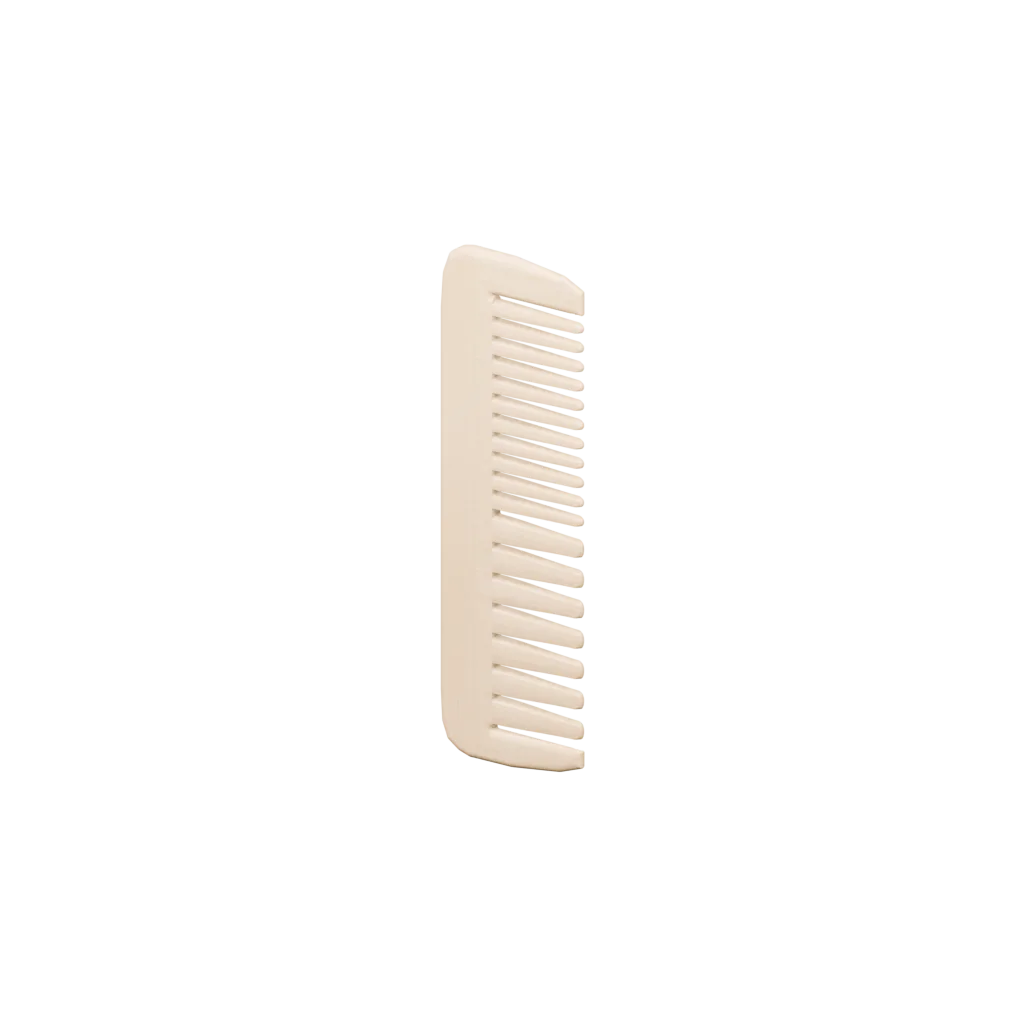
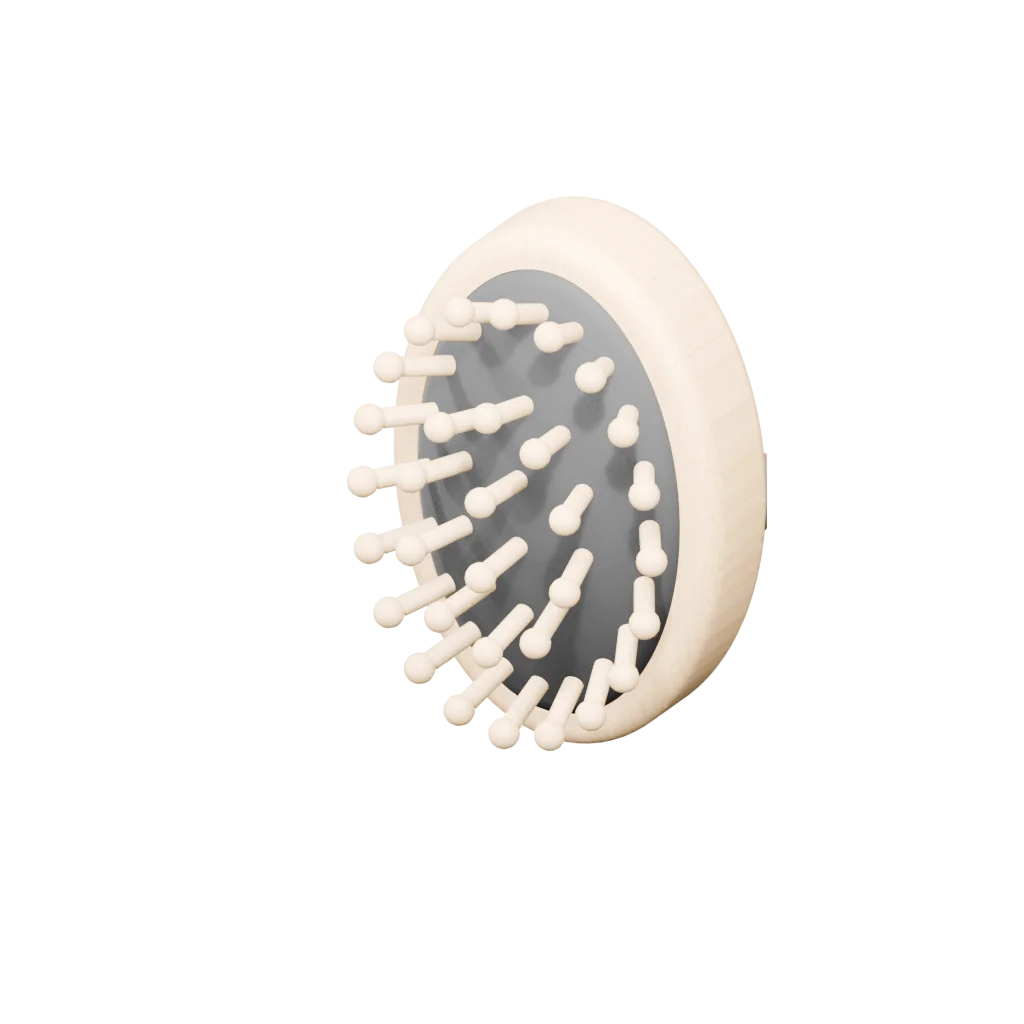
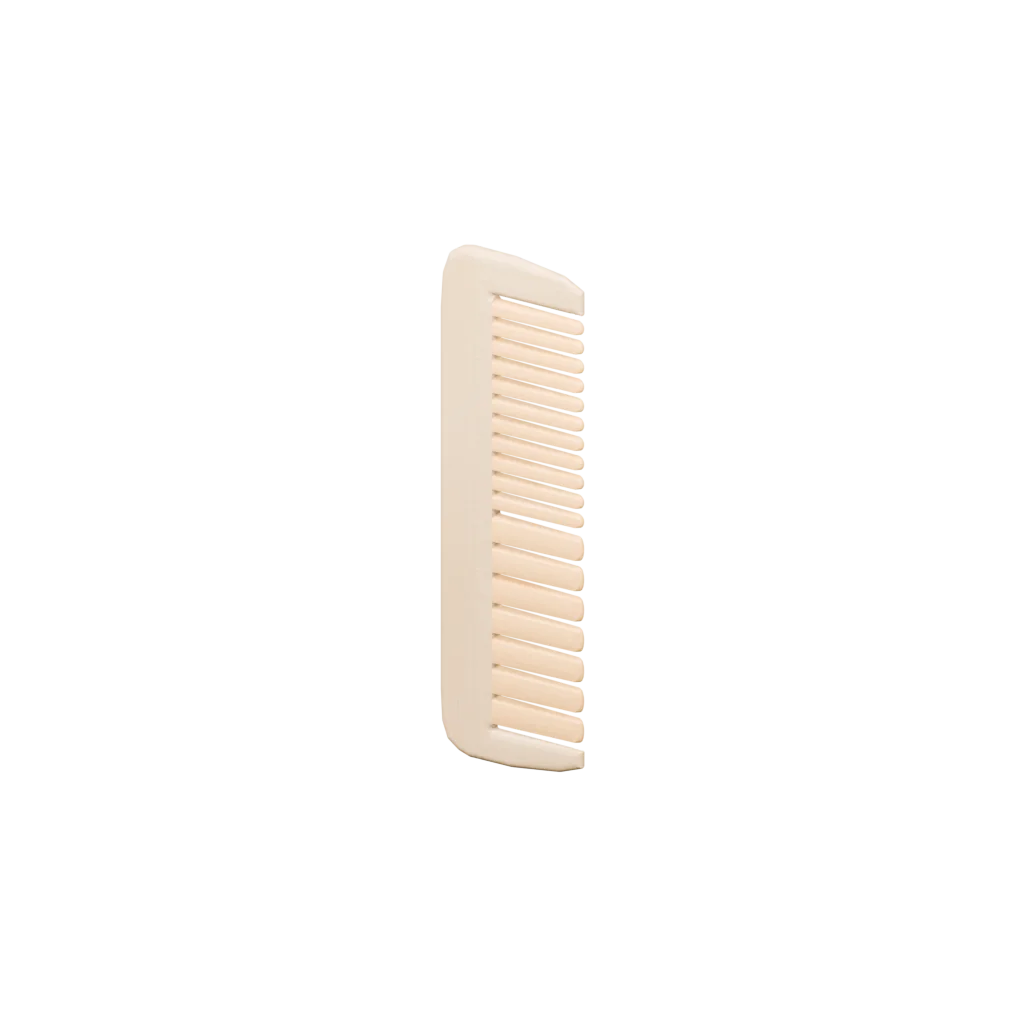
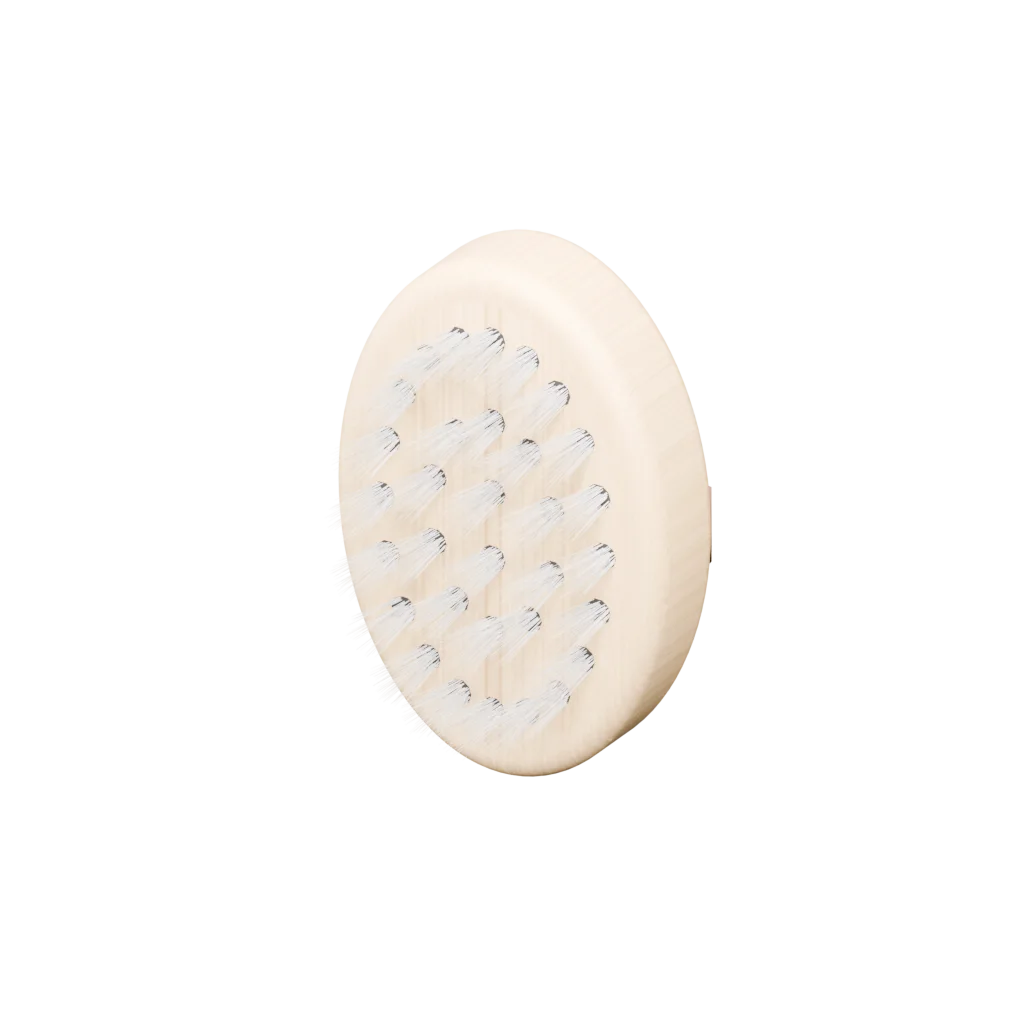
See how bamboo and wooden combs, hair brushes and custom products move from material preparation to shaping, fine sanding, finishing, quality inspection and production tracking.
Different products follow different production routes. Bamboo and wooden toothed combs branch into Teeth Slitting or Inlaid-tooth Comb construction according to the product structure, while hair brushes use Cushion Assembly Process or Tufting Process according to the working surface and base construction. Each route then continues through fine processing, finishing, quality inspection and production tracking.
Different products follow different manufacturing paths.
Material preparation is the starting point for bamboo and wooden products. After preparation, products enter the production route that matches their structure.
Teeth Slitting forms the tooth shapes by saw-cutting the same board or comb blank. The body and teeth remain one integral material structure before tooth refinement, fine sanding and subsequent finishing.
Inlaid-tooth Comb
Inlaid-tooth Comb construction produces the body and teeth separately. The body is precisely measured and marked, vertically drilled, adhesive is applied inside the holes, and the finished teeth are inserted and fixed one by one.
Cushion Brush, Massage Brush & Carved Comb Line
Product Scope
Hair brushes, massage brushes and carved comb structures
Main Process
3D / CAD definition > CNC shaping > fine processing > finishing > QC > packing
Processed bamboo boards are purchased in two standard thicknesses: 5 mm / 6 mm.
Beech & Sandalwood
Processed wood boards are purchased in two standard thicknesses: 50 mm / 43 mm.
Boxwood, Peach Wood and Similar Woods
For custom projects using these materials, logs can go through cutting and breakdown, high-temperature steaming treatment, air drying and further processing. These materials are gradually being removed from the standard product range and are mainly handled as custom requirements.
Wheat-Straw Products
Finished wheat-straw products are inspected according to factory quality-control requirements before acceptance.
Preparing the Required Stock
Depending on the product structure, bamboo and wood preparation can include the following operations. These operations prepare the required length, thickness and structural combination before shaping begins.
Bamboo & Wooden Toothed Combs: Two Tooth-Manufacturing Routes
Teeth Slitting and Inlaid-tooth Comb construction both continue into fine sanding and finishing, but they differ in how the teeth are formed, how materials can be combined, their structural characteristics and manufacturing cost.
A. Shaping & Tooth-Manufacturing Route
After the basic product form is established, the tooth-manufacturing route is selected according to the product structure.
Comb-head / body shaping > select Teeth Slitting or Inlaid-tooth route > form the tooth structure > comb-back shaping
Body shaping > precision measuring and marking > vertical drilling > adhesive application > tooth-by-tooth insertion and fixing > fine sanding
With Teeth Slitting, the comb body and teeth remain part of the same board. Inlaid-tooth construction allows the body and teeth to use different materials and grain directions, providing more structural options when greater resistance to tooth breakage or mixed-material construction is required. For example, a premium wood body can be combined with water-buffalo horn, bamboo or high-resilience polymer teeth.
Because the inlaid-tooth route adds measuring, drilling, adhesive application and tooth-by-tooth assembly, its manufacturing cost is normally higher than a comparable Teeth Slitting structure.
At this stage, the main comb profile and tooth structure are formed.
B. Fine Processing
After either tooth-manufacturing route is structurally completed, the comb moves into detailed tooth, surface and edge processing.
Pins or bristles are installed into the cushion structure first, and the completed cushion is then assembled into the brush body.
Tufting Process / Direct-to-base Installation
Holes are made directly in a solid or board-style brush base according to the required layout. Bristle bundles are tufted into the holes; where the design uses individual pins, the pins are installed directly into the drilled positions.
Brush working-surface installation should be described as Cushion Assembly Process, Tufting Process or direct-to-base installation rather than Teeth Slitting or Inlaid-tooth construction. After assembly, the product continues through the applicable inspection, finishing and packing steps.
If dimensions, teeth, handles, thickness or other structural details need to be developed first:
Products requiring traditional hand processing follow a separate handcrafted route, with shaping and detailed refinement completed manually. Depending on the approved project, materials and details can include:
Xiaoye Zitan / small-leaf red sandalwood
Gold-plated comb teeth
Natural cattle horn
Natural sheep horn
Ivory, hawksbill shell, rhinoceros horn and other prohibited materials are not accepted.
Processing evidence: awaiting an approved photograph.
Quality Inspection Between Processes
Inspection is part of the production flow, not only a final step.
Quality inspection is carried out after each processing stage. Products showing issues such as the following are removed and recovered rather than passed into the next operation:
Cracking
Natural material defects that affect further processing
Deformed comb teeth
For confirmed projects, the approved sample and recorded product requirements are used as references during subsequent processing and inspection.
Process > Inspect > Accept or Remove > Next Process
Inspection evidence: awaiting an approved photograph.
Daily Production Tracking
Buyers can follow production after the order enters manufacturing.
After an order is placed, production and quality-inspection records are synchronized to the system every day.
The production tracking interface allows buyers to review the current order progress and corresponding production records.
Production > Quality Inspection > Daily Record Sync > Order Tracking
Production > Quality Inspection > Daily Record Sync > Order Tracking