Why a factory visit starts with paperwork, not a handshake
Every B2B buyer in the comb and grooming category has heard the same story: a beautiful brochure, an approving sales call, and then a container that does not match the sample. The antidote is not trust — it is evidence. That is why VANTRE, a bamboo and wood comb factory in Langqiao, Jing County, Anhui Province, treats the factory tour as a documented process rather than a photo opportunity. This article walks you through what you will actually see on a visit, what you can verify from your office, and the numbers behind a facility that produces 5,000,000 combs a year.
The factory was founded in 2005 at the heart of China's wooden comb industrial belt, occupies 12,000 m² of floor space and employs more than 50 people across material processing, CNC cutting, hand finishing, packaging and quality control. Hundreds of product styles run through its lines, from hotel combs and travel combs to wide-tooth combs, massage brushes and gift sets. Orders are shipped worldwide with responsible sourcing, quality management and social responsibility documentation. Every one of these claims is verifiable during a single visit — here is what the checklist looks like.
Step 1: What to verify before you choose a comb factory
Before comparing prices, compare evidence. A serious factory can show you its material records, its machine maintenance logs, its sampling reports and its shipping documentation within a single meeting. A factory that cannot answer these five questions on the spot will not answer them after you pay a deposit. Use the checklist below as your baseline for any factory you evaluate, whether you visit in person or run a live video tour. The answers are not marketing material — they are operational data that should match your own order conditions.
- Where does the raw material come from, and what moisture control does the yard apply?
- How many production steps does the factory run, and where are the QC gates?
- What is the machine capability: CNC precision, laser tolerance, finishing capacity?
- Which certificates are on the wall — responsible sourcing, quality management, social compliance — and are they current?
- Can you see a live order's photos and completion percentage on the tracking page?
The numbers that define VANTRE: capacity, people and floor space
Numbers first, because numbers are what survive a container inspection. VANTRE operates 12,000 m² of production space with an annual capacity of 5,000,000 combs. More than 50 employees work across the facility, including craftspeople with decades of experience on the finishing line. The company was founded in 2005 and has run OEM and ODM projects since its early years, which means tooling, branding and packaging infrastructure have grown together. For buyers, these numbers translate into three practical facts: volume orders can be absorbed without subcontracting, custom projects have dedicated capacity, and peak-season pressure is managed by scheduling, not by cutting corners.
From bamboo grove to finished comb: the documented journey
A VANTRE comb does not appear from a mould — it is grown, then worked. The production route runs through a documented sequence from raw bamboo and wood to a finished, packaged product. The chain starts in the material yard where bamboo undergoes boiling and aging for 60 days, continues through cutting, CNC profiling, tooth cutting and edge rounding, then moves to sanding, waxing, lacquering and laser branding, and ends at the packaging workshop where boxes, pouches, hangtags and gift sets are assembled. The key insight for buyers: this documented sequence is not a marketing number, it is the quality plan. Each step has an owner, a specification and a checkpoint.
- Material yard: bamboo boiling and aging, moisture kept below 10%
- Cutting hall: CNC profiling, tooth cutting, edge rounding
- Finishing line: sanding, waxing, lacquering, laser branding
- QC lab: dimension gauges, strength sampling, finish inspection
- Packaging workshop: boxes, pouches, hangtags and gift sets
The material yard: why 60 days of seasoning beats shortcuts
The most important step in bamboo comb production happens before any comb is cut. Raw bamboo is boiled to remove sugars and starches, then aged for 60 days so the moisture content stabilises below 10%. This is the difference between a comb that survives years of humid bathrooms and one that warps or cracks after a single season. Buyers can verify this in minutes: ask to see the yard's moisture readings, check the aging schedule, and feel the difference between seasoned and unseasoned material. Wood follows the same discipline, with drying schedules matched to each species. Skipping this step saves weeks — and destroys the product.
CNC cutting: consistent tooth geometry at volume
When a buyer orders 50,000 wide-tooth combs, the tooth geometry cannot depend on a steady hand alone. CNC milling lines cut tooth profiles to the approved sample geometry, which means consistent tooth spacing, rounded edges and identical products across the entire batch. The CNC machines run programs that were developed and approved during the sample stage, so the production batch replicates the approved sample exactly. For custom projects, the same machine files are used for tooling validation before bulk production starts. This is why VANTRE can guarantee that the container matches the sample: the geometry is not reproduced by hand, it is reproduced by data.
Laser engraving: stable brand precision
Branding is where buyers notice the difference between precision and approximation. VANTRE's laser engraving holds stable positioning, which keeps logos and patterns crisp on curved comb surfaces where printing would smudge. Laser engraving has no consumable inks, stays permanent through years of use and washing, and scales cleanly to volume orders. The same workshop also runs silkscreen printing for solid colours, hot foil stamping for metallic premium accents and UV printing for photographic artwork on brush panels. On a factory visit, ask to see the laser positioning checks and compare a freshly engraved comb with a six-month-old sample from your own order.
Hand finishing: the human checkpoint automation cannot replace
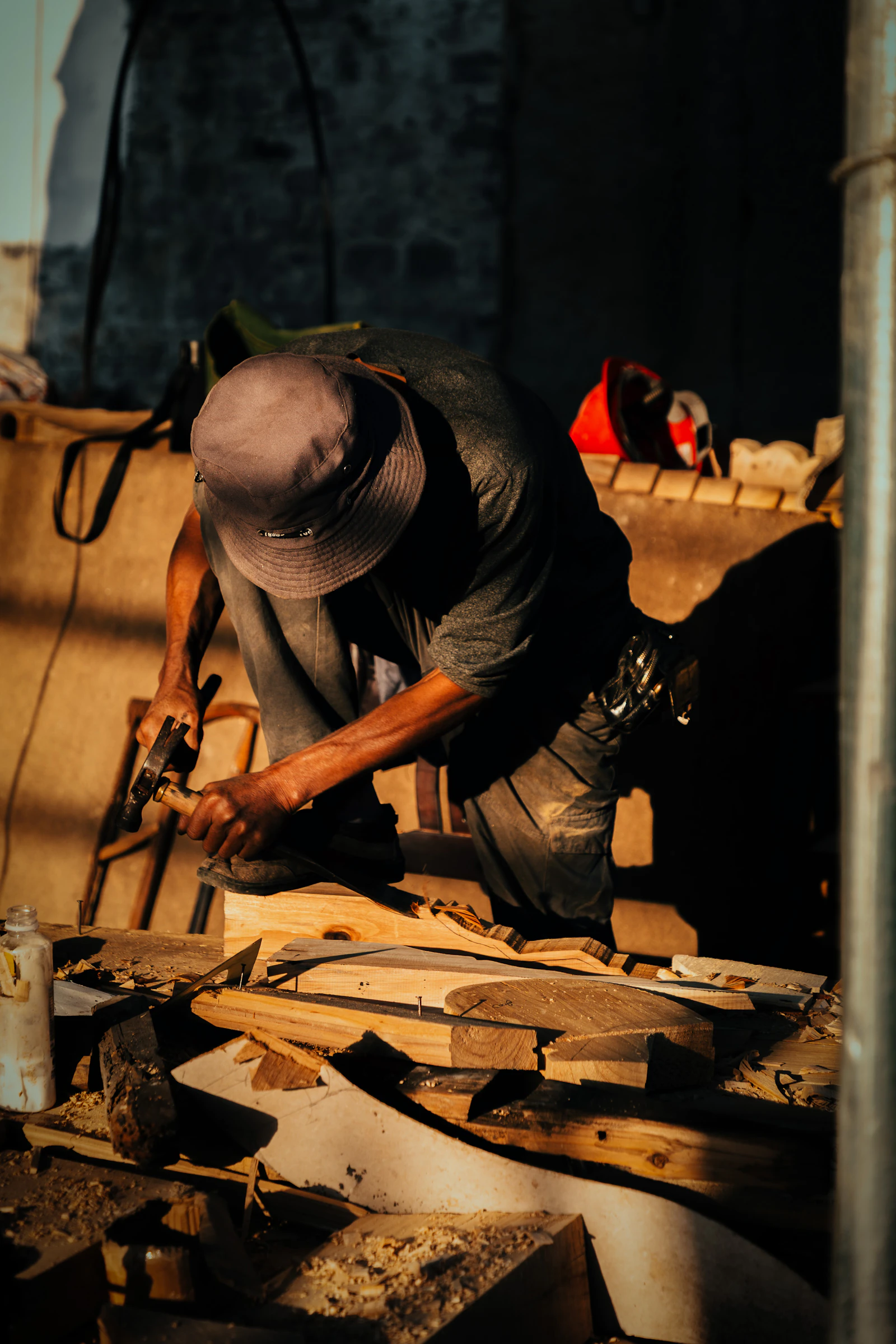
Walk past the CNC hall and the sound changes: sanding, waxing and inspection are still done by hand on the finishing line. Every comb is edge-inspected by craftspeople whose careers in Langqiao's comb belt span decades. They feel what machines measure poorly — the smoothness of a tooth tip, the consistency of a wax coat, the warmth of a sanded surface. This human checkpoint is why VANTRE combs keep a hand-finished quality at 5,000,000 pieces a year. Automation handles repetition; the finishing line handles judgement. Buyers who visit once understand why the hand stage cannot be outsourced without changing the product's character.
The QC lab: what is tested on every batch
Quality control at VANTRE is not a final inspection — it is a gate at every stage. The QC lab runs three core checks on every batch: dimension gauging against the approved drawing, tooth-strength sampling where finished combs are bent and pulled to failure, and finish inspection under controlled lighting for sanding, coating and branding defects. The results are recorded per batch and available to buyers on request. Batch records matter in two situations: when a retailer audits your supply chain, and when a claim arrives within the 15-day reporting window after delivery. A factory that can pull last year's batch records from a file drawer is a factory you can defend to your own customers.
Five-stage order tracking: verify from your office
Not every buyer can fly to Langqiao for every order. Every VANTRE order is tracked through five stages — quote sent, sample approved, production, inspection and packing, ready to ship — and each stage carries photos and a completion percentage on the tracking page. You see your actual order, not a generic status screen: production photos of your batch, inspection photos of your finishing line, packing photos of your boxes. This is the remote version of the factory visit, and it is the same evidence a visiting buyer receives in person. Between video tours and stage tracking, you can audit VANTRE from your office without losing anything except the flight.
How 5,000,000 combs leave the building without losing the hand finish
Scaling hand quality is a contradiction most factories resolve by dropping quality. VANTRE resolves it by separating work that must be machine-perfect from work that must be human-judged. CNC handles geometry, laser handles branding, and the finishing line handles surface quality — with capacity planned so that the hand stage is never the bottleneck that forces corners to be cut. The result is an annual capacity of 5,000,000 combs across hundreds of styles while the hand finish survives. For a buyer, this separation of roles is exactly what you should look for in any factory audit: precision you can measure, and judgement you can feel.
Hotels that buy by the room: a 500-room order pattern
Hotel procurement is the most volume-predictable segment in our category. A hotel with 500 rooms consumes roughly 50,000 combs per year across amenities and room supplies — which means hotel buyers do not buy a product, they buy a logistics system. The factory pattern that works for them combines existing amenity-set styles at 1,000 pieces MOQ, stable pricing, tracking through five stages and production lead times of 25–45 days. Because amenity sets are produced on dedicated lines with approved packaging, reorders arrive on schedule without re-approval. That is the operational meaning of a factory that understands hotels: your next order is planned before the current one ships.
OEM and ODM: two workflows, one roof
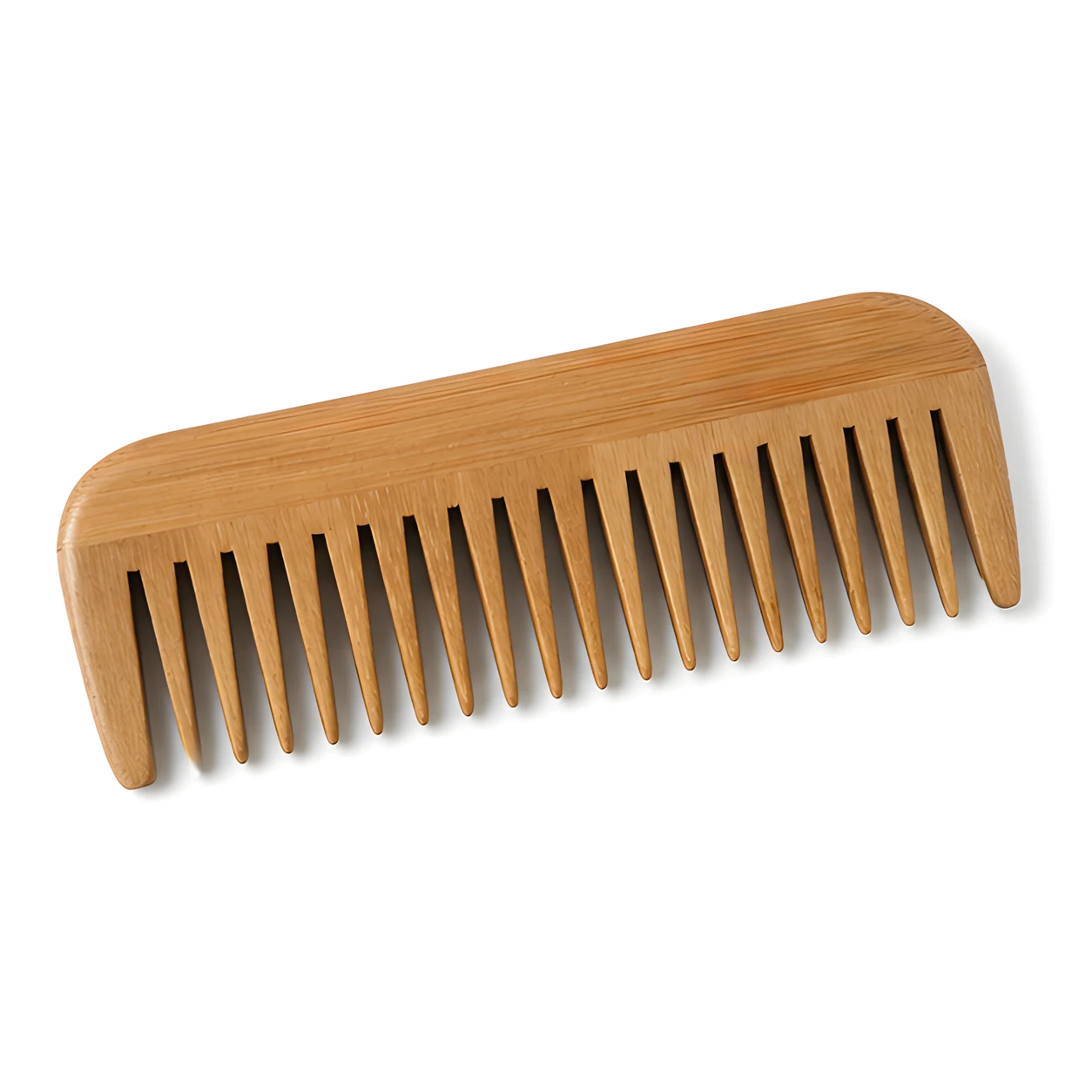
Design, tooling, production, branding and packaging all happen inside the same 12,000 m² building. For OEM buyers, that means your approved artwork becomes a production file without leaving the factory. For ODM buyers, it means concept drawings and 3D renderings arrive within 2 business days, physical samples within 5–10 business days, and bulk production runs 25–45 days after approval. Because every function sits under one roof, a custom project never passes through hand-offs between vendors, and one project manager owns the timeline from your first artwork to a packed container. Buyers who have managed multi-vendor supply chains recognise this as the difference between a project and a relay race.
Samples: from USD 1 to USD 100, refunded once the bulk order reaches 10,000 pieces
Sampling is the first place where a factory reveals its working style. VANTRE quotes existing-style samples at USD 1–10 per piece and custom samples at USD 50–100 per piece, and refunds the full sample fee once the bulk order reaches 10,000 pieces. Quotations are issued within 2 business days under reference number QT-xxxxx and remain valid for 14 days. For buyers, the practical consequence is cheap and honest risk reduction: you can hold physical samples in your hand, run your own quality checks and compare three suppliers for the price of a business dinner. The refund condition aligns the factory's interest with yours — samples are not a profit centre, they are a contract.
Production planning: 25–45 days, even at peak season
The annual capacity of 5,000,000 combs exists precisely to protect the delivery promise. Standard bulk production runs 25–45 days, and peak-season windows extend to 40–60 days — the difference is planned, not improvised. Shipments go out on confirmed trade terms (FOB, CIF, EXW or DDP), and sea freight to the EU takes 30–35 days while the US takes 25–30 days. For buyers, the planning rule is simple: work backwards from your in-store date, add the production window and the freight window, and place the order before the sum of those windows reaches your deadline. Factories that cannot show you a schedule for their own capacity are asking you to be their schedule.
Documentation on the wall: sourcing, quality and social compliance records
During a factory tour, certificates hang where they should — on the wall, with dates and issuing bodies visible, and audit documents available for review. VANTRE maintains chain-of-custody documentation covering paper and wood sourcing, documented quality management systems and social compliance records for working conditions. Each document answers a different buyer question: sourcing documentation answers the sustainability question, quality records answer the consistency question, and social compliance records answer the responsibility question. On a visit, do not just photograph the certificates — ask for the latest audit reports and check that the scope of each certificate actually covers comb production, not just trading.
Export compliance: what it means per market
Years of worldwide shipments mean VANTRE's documentation desk has seen most compliance scenarios before yours arrives. EU markets commonly require FSC documentation and CE-relevant product documentation, US buyers request FDA-related material declarations for cosmetics-adjacent categories, and hotel chains enforce their own vendor codes that reference BSCI or equivalent social audits. The practical value for buyers is speed: the factory already knows which documents each market expects, so the paperwork that delays your first shipment is usually available on the second. Ask your sales manager for the market-specific checklist before you sign — a factory that exports widely can name its own paperwork without hesitation.
Audits and visits: what we show you in person
A VANTRE factory visit follows the same route every time: material yard with moisture records, cutting hall with CNC machines and laser stations, finishing line with the craft benches, QC lab with gauges and batch files, and packaging workshop with boxes, pouches and gift sets. You can test combs from finished batches on the spot, watch a tooth-strength check, and pull up the tracking page of a live order. For buyers who cannot travel, we run the same walk-through as a live video tour with the same stops. There is no separate visitor route and no cleaned-up section — the route you see is the route your order takes.
Sustainability: bamboo is the factory's best material story
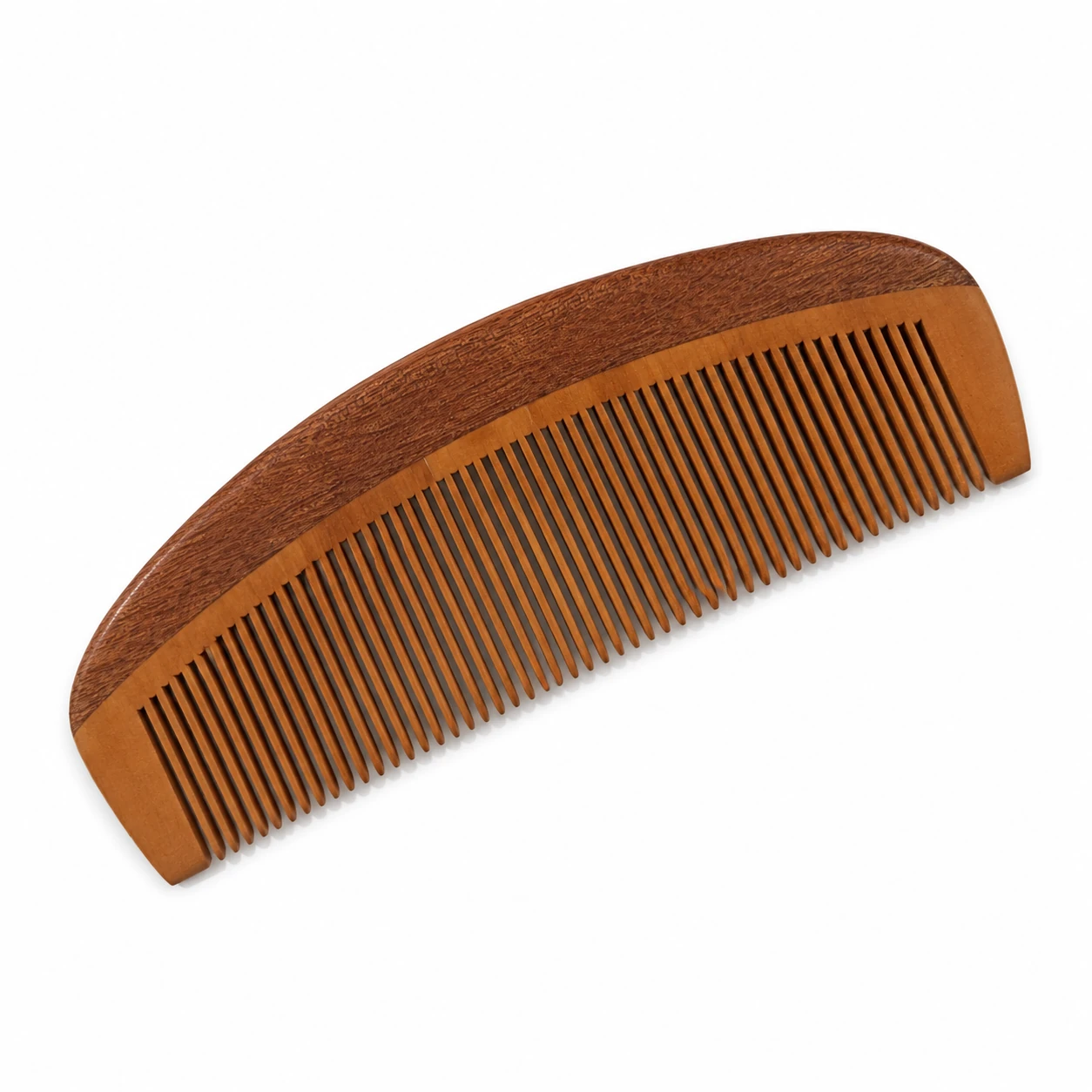
Bamboo grows to maturity in 4–6 years, regenerates from the same root system without replanting, and sequesters carbon while it grows. Combined with chain-of-custody documentation, the material path from grove to finished comb is traceable and documented — which turns a sustainability claim into a supply-chain fact. The factory applies the same logic to production: water-based finishes, controlled waste streams and responsibly sourced packaging materials. For B2B buyers, this is not a marketing chapter; it is increasingly a procurement requirement. A supplier that can document its material chain from the beginning will pass your retailer's audit at the end.
The five-stage OEM workflow from brief to container
- Requirement briefing: share product, specification, volume and target market
- Concept and 3D renderings: 2 business days
- Sample approval: 5–10 business days for physical samples
- Bulk production: 25–45 days, with photos at every stage
- QC, packing and shipping: inspection before dispatch, terms confirmed in PI
Five questions every buyer should ask on a factory visit
- Can you show me the moisture records for this month's material intake?
- Where are the QC gates, and who signs off each batch?
- What is the laser engraving tolerance, and where is it measured?
- Which certificates cover comb production specifically, and when do they expire?
- Can you open a live order on the tracking page and walk me through it?
Frequently asked questions about the VANTRE factory
Q1: Can I audit the factory with a third-party inspector? Yes. VANTRE accommodates third-party inspections at your request, and the five-stage tracking records give the inspector a documented timeline of your order before they arrive. Batch records, moisture logs and QC results are made available, and inspections typically run in a single day covering material, production, finishing and packing.
Q2: How do we start with a video tour? Contact our export sales team to schedule a live video walk-through. We follow the same route as a physical visit, including the material yard, CNC hall, finishing line, QC lab and packaging workshop. After the tour, we will send the tracking-page demo and a formal quotation within 2 business days, valid for 14 days.
Q3: How does VANTRE protect delivery dates in peak season? Capacity is planned around an annual ceiling of 5,000,000 combs, and production windows are quoted as 25–45 days, extending to 40–60 days at peak. Orders placed early in the season are scheduled first, and every order is tracked through five stages so slippage is visible before it becomes a missed ship date.
Buyers who visit Langqiao once rarely switch suppliers — because seeing the finishing line answers every question a factory audit asks.
Visit Langqiao, or start with a video tour
Every number in this article is a checkpoint you can verify: 12,000 m² of floor space, 50+ employees, documented production steps, 60 days of material aging, CNC cutting to approved sample geometry, stable laser branding, 5,000,000 combs of annual capacity and worldwide export markets with responsible sourcing, quality management and social responsibility documentation. Contact our export sales team to schedule a factory visit in Langqiao or a live video tour, and we will also send the five-stage tracking demo and a formal quotation within 2 business days. The brochure ends here — the evidence begins when your order does.